
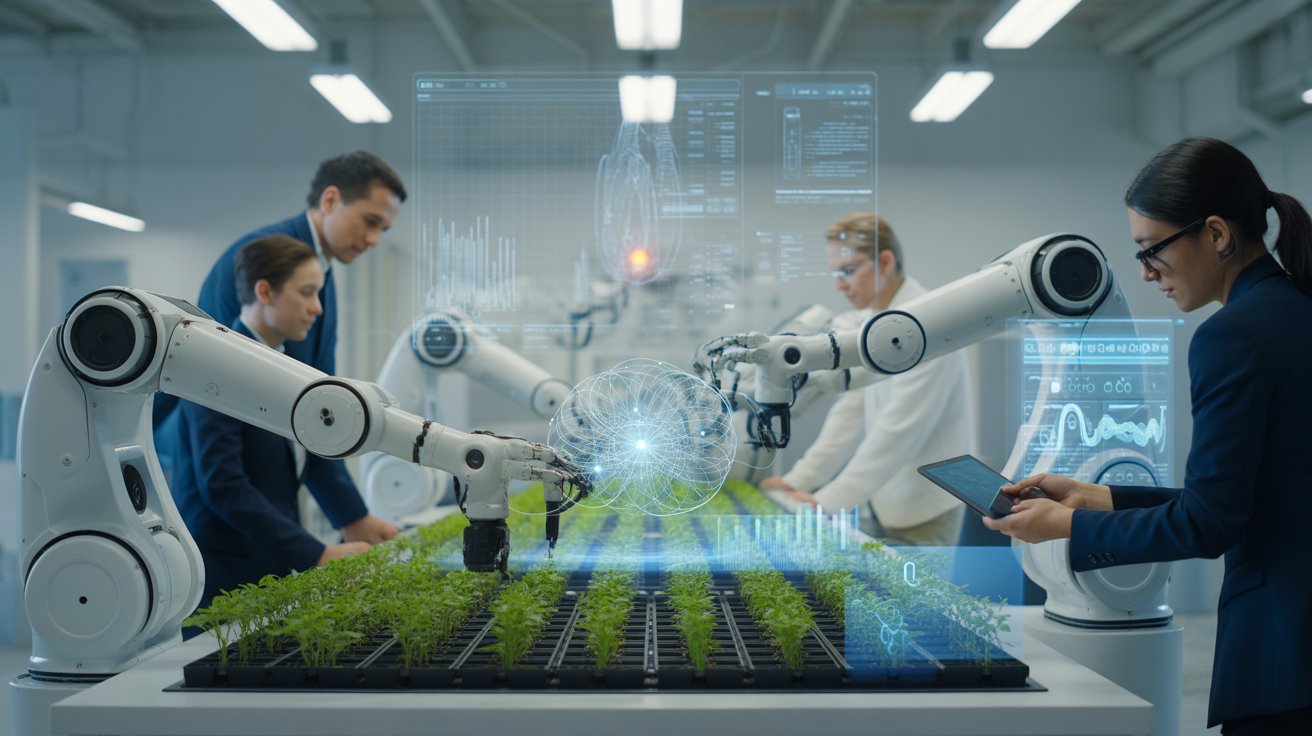
WEF Report on Future Jobs 2025 के मुताबिक, artificial intelligence (AI), robotics, advanced energy systems और sensor networks जैसी 4 प्रमुख technologies global labour market को बदल रही हैं। जानिए कैसे ये नई तकनीकें future jobs को redefine कर रही हैं और workforce transformation ला रही हैं।
क्या नई Technologies पारंपरिक नौकरियों को खतरे में डाल रही हैं?
Global labour market में आज एक बड़ा बदलाव देखने को मिल रहा है। WEF report के अनुसार, artificial intelligence (AI), robotics, advanced energy systems और sensor networks जैसी technologies केवल काम को आसान नहीं बना रही हैं, बल्कि future jobs और workforce transformation का नक्शा ही बदल रही हैं।
Also Read: The Ultimate Guide to What is Artificial Intelligence in Hindi: A Simple Explanation for Beginners
भारत में retail, logistics और manufacturing sectors में ये बदलाव पहले से दिख रहे हैं। लेकिन सवाल यही है: क्या ये तकनीकें पारंपरिक नौकरियों को खत्म कर देंगी? WEF के report में साफ कहा गया है कि यह mass unemployment नहीं, बल्कि job redesign और skill evolution का समय है।
WEF Future Jobs 2025 Report के मुताबिक क्यों अब बदलाव जरूरी है?
Global economy में supply chain disruptions, energy crises और sustainable growth की चुनौतियों ने technology adoption की प्रक्रिया को तेज कर दिया है। WEF के report में बताया गया है कि ये 4 key technologies सिर्फ efficiency बढ़ाने के लिए नहीं हैं, बल्कि resilient और digitally enabled workforce बनाने का रास्ता हैं।
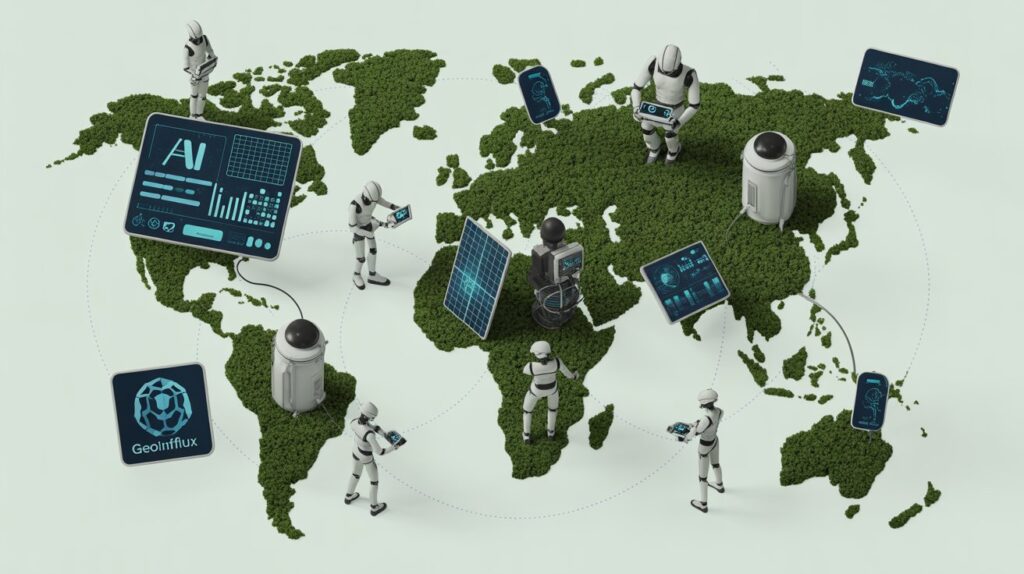
Report यह भी स्पष्ट करती है कि मुख्य असर नौकरी हटाने का नहीं, बल्कि job redesign का है। Workers का काम evolve हो रहा है—repetitive tasks की जगह predictive monitoring, system maintenance और strategic decision-making जैसी जिम्मेदारियां आ रही हैं।
कौन से Sectors सबसे ज्यादा प्रभावित होंगे?
WEF Report ने 7 major sectors को highlight किया है जो इन technologies से सबसे ज्यादा प्रभावित होंगे।
| Sector | Workforce Impact | Primary Technology Impact |
|---|---|---|
| Agriculture | विश्व में सबसे बड़ा | Sensor Networks, Robotic (precision farming) |
| Wholesale & Retail | Highly digitized | AI, Advanced Energy Systems (logistics, stability) |
| Healthcare | Skill-intensive | AI, Robotic (diagnostics, surgery assistance) |
| Construction | Physical labor-heavy | Robotic, Sensor Networks (safety & automation) |
ये बदलाव India technology trends में भी दिख रहे हैं, जैसे automated warehouses, AI-based logistics, और renewable energy-powered retail systems।
Artificial Intelligence कैसे बदल रही है jobs का landscape?
AI अब केवल automation तक सीमित नहीं है। यह human augmentation की तरफ बढ़ रही है।
- Retail & Logistics: AI-powered predictive analytics inventory management और supply chain optimization को बेहतर बना रहे हैं।
- Healthcare: AI data-driven diagnostics को आसान बनाकर doctors को complex patient care पर focus करने का मौका देता है।
- New Roles: AI-informed professionals, data analysts और strategic planners की मांग बढ़ रही है।
AI से workers smarter और efficient बनते हैं, जिससे workforce transformation ज्यादा inclusive और high-value हो रही है।
Robotics कैसे बदल रही हैं traditional jobs?
Robotic repetitive, hazardous और physically strenuous tasks को automate कर रही हैं।
- Construction: Semi-automated machinery से site safety और worker health improve हो रही है।
- Healthcare: Surgical robots और patient monitoring systems ने doctors और nurses की responsibilities redefine कर दी हैं।
- New Roles: Robotic engineers, specialized maintenance technicians और system operators की मांग बढ़ रही है।
इसका असर यह है कि traditional jobs खत्म नहीं हो रही, बल्कि worker roles अधिक skilled और tech-oriented बन रहे हैं।
Advanced Energy Systems क्यों जरूरी हैं workforce stability के लिए?
Power instability कई developing economies में productivity का bottleneck रही है।
- Solutions: Decentralized solar systems और battery storage infrastructure ने work hours और operational reliability stabilize की है।
- Impact on India: Retail और logistics staff को predictable schedules मिल रहे हैं।
- New Roles: Energy system installation experts, monitoring engineers और predictive maintenance professionals।
WEF on Future Jobs कहती है कि energy systems workforce transformation में direct enabler हैं।
Sensor Network क्यों हैं modern economy के eyes और ears?
Sensor networks real-time data collect करके industries को intelligent बना रही हैं।
- Agriculture: Soil health और irrigation monitor करना।
- Logistics: Delivery optimization और wastage reduction।
- Healthcare: Wearable sensors patient monitoring में मदद।
- New Skills: Data analysis, network management और advanced monitoring roles।
इससे workforce को upskilling and reskilling की जरूरत बढ़ रही है।
भारत और अन्य देशों में इन technologies का असर
| Location | Technology | Application | Workforce Impact |
|---|---|---|---|
| UAE | Drones/Robotic | Urban delivery | Drone operators, maintenance, air traffic management |
| Ghana | Drones/Logistics | Medical supplies | Technical support, logistics efficiency |
| India & South Africa | Advanced Energy | Solar/Battery in retail/logistics | Stable work hours, technical professionals demand |
ये उदाहरण दिखाते हैं कि workforce transformation केवल theory नहीं है, यह actionable और ongoing है।
पॉलिसी और रणनीति: भारत को कैसे तैयार होना चाहिए?
- Massive Investment: Digital infrastructure और human capital में निवेश।
- Upskilling & Reskilling: AI, robotic, energy systems, sensor networks के लिए vocational और technical training।
- Responsible Governance: Ethical AI, data privacy और workforce transition frameworks।
India technology trends के अनुसार, अगर यह कदम जल्दी नहीं उठाए गए तो traditional workforce पीछे रह सकती है।
Summary Table: 4 Technologies और उनकी Jobs Impact
| Technology | Primary Effect | Future Jobs Focus |
|---|---|---|
| Artificial Intelligence | Augmentation & Predictive Analytics | AI-informed professionals, Data analysts, Strategic planners |
| Robotic | Automation of repetitive tasks | Robotic engineers, System operators, Maintenance technicians |
| Advanced Energy Systems | Operational stability | Energy system installation & monitoring experts, Predictive maintenance |
| Sensor Networks | Real-time data insights | Data analysts, Network managers, Monitoring specialists |
FAQs (Frequently Asked Questions)
1. क्या ये technologies पारंपरिक jobs खत्म कर देंगी?
WEF के Report में साफ कहा गया है कि AI, Robotic, Advanced Energy System और Sensor Network पारंपरिक नौकरियों को पूरी तरह खत्म नहीं कर रहे हैं। इसके बजाय ये job redesign और workforce transformation को बढ़ावा दे रहे हैं। Repetitive और manual कामों को AI और robotic के साथ automate किया जा रहा है, जिससे human workers अब complex decision-making, system monitoring और strategic planning जैसी high-value responsibilities निभा सकते हैं। इसलिए traditional jobs evolve हो रही हैं, ना कि खत्म।
2. भारत में frontline workers के लिए सबसे बड़ा फायदा कौन सी technology से होगा?
India technology trends के अनुसार, Advanced Energy Systems frontline workers के लिए सबसे बड़ा फायदा लेकर आएंगे। Retail, logistics और manufacturing sectors में decentralized solar और battery storage systems की वजह से predictable work hours सुनिश्चित हो रहे हैं। इससे workers की operational stability बढ़ती है और उनके काम का pattern reliable बनता है। इसके अलावा, energy system installation और monitoring जैसी नई roles की मांग भी बढ़ रही है, जो workforce transformation के लिए critical हैं।
3. Sensor Network से जुड़ी सबसे महत्वपूर्ण skill कौन सी होगी?
Sensor networks global labour market में real-time data collection और tracking के लिए crucial हैं। Professionals को सिर्फ data collect करना नहीं बल्कि इसे analyze और interpret करना आना चाहिए। Logistics, healthcare और agriculture sectors में workforce अब data-driven insights से काम कर रही है। इस कारण, upskilling and reskilling programs में data analysis, network management और advanced monitoring skills शामिल करना जरूरी है, ताकि workers sensor networks का सही तरीके से इस्तेमाल कर सकें और future jobs में सफल हो सकें।
4. WEF के Report में job redesign का मतलब क्या है?
Job redesign का मतलब traditional roles को पूरी तरह खत्म करना नहीं, बल्कि उन्हें future jobs के लिए reshape करना है। उदाहरण के लिए, logistics workers अब boxes manually move करने के बजाय AI-optimized routing systems और robotic sorting equipment manage करेंगे। इस बदलाव से workers का काम high-value, tech-integrated और safety-oriented बन जाता है। Robotic, AI और sensor networks के integration के चलते workforce transformation में efficiency, safety और productivity दोनों बढ़ रही हैं।
5. Workforce transformation के लिए policymakers को क्या करना चाहिए?
Labour market policy के तहत policymakers को AI, robotics, advanced energy systems और sensor networks के लिए targeted upskilling and reskilling programs implement करने चाहिए। Vocational training और industry collaboration से workers को नई technologies में दक्षता हासिल होगी। Inclusive access सुनिश्चित करना जरूरी है ताकि traditional और frontline workers दोनों इस बदलाव का फायदा उठा सकें। साथ ही, ethical AI और data privacy frameworks भी जरूरी हैं, ताकि workforce transition सुरक्षित और sustainable रहे।
6. Robotic और AI से नए career opportunities कौन से हैं?
Robotic और AI traditional jobs को automate करते हुए नई roles बना रहे हैं। System operators, robotic engineers, AI-informed professionals, data analysts और energy technicians जैसी positions global labour market में तेजी से बढ़ रही हैं। Workers अब manual tasks से हटकर high-skill technical और strategic responsibilities निभा रहे हैं। WEF report के अनुसार, इन career paths में success पाने के लिए upskilling and reskilling programs, vocational training और domain expertise का होना जरूरी है।
7. Global labour market में ये changes कब तक visible होंगे?
WEF Future Jobs 2025 Report के अनुसार, AI, robotic, advanced energy systems और sensor networks के प्रभाव अगले 5–7 साल में पूरी तरह visible होंगे। Sectors जैसे agriculture, healthcare, logistics और retail जल्दी adapt करेंगे। इसके अलावा, India technology trends में भी इन technologies के adoption से workforce transformation तेजी से होगी। इस समय तक policymakers, employers और workers को upskilling and reskilling में ध्यान देना होगा, ताकि workforce evolution smooth और inclusive रहे।
Related Reads
- Advanced Energy Systems: कैसे ये Global Supply Chains बदल रही हैं
- AI-Augmented Professionals: Digital Economy के लिए Reskilling
- Asia के Digital Leapfrog Strategy से Global Labour Market सीख
Summary
WEF Report on Future Jobs 2025 यह साफ कर देता है कि global labour market में बदलाव केवल threats नहीं हैं। AI, robotics, advanced energy systems और sensor networks traditional jobs को खत्म नहीं कर रहे, बल्कि उन्हें evolve कर रहे हैं।
भारत जैसे developing economies के लिए यह अवसर है, upskilling, job redesign और workforce transformation के जरिए भविष्य की नौकरियों में lead बनाने का। जो देश समय रहते इन technologies को अपनाएंगे, वही inclusive, productive और resilient workforce तैयार कर पाएंगे।
References
- World Economic Forum (WEF), “Jobs of Tomorrow: Technology and the Future of the World’s Largest Workforces” Report, 2025 – https://www.weforum.org/reports/jobs-of-tomorrow
- Economic Times, “Four Technologies That Will Reshape Global Labour Markets: WEF Analysis” – https://economictimes.indiatimes.com/news/economy/technology/four-technologies-to-reshape-global-labour-markets-wef/articleshow/
- Brookings Institution, “The Future of Jobs and Skills in the Age of AI and Robotics” – https://www.brookings.edu/research/future-of-jobs-and-skills/
- India Today Tech, “Artificial Intelligence, Robotics and the Future Workforce in India” – https://www.indiatoday.in/technology/news
- The Hindu BusinessLine, “Advanced Energy Systems and Their Impact on Workforce Transformation” – https://www.thehindubusinessline.com/technology/
- McKinsey & Company, “Skill Shift: Automation and the Future of the Workforce” – https://www.mckinsey.com/featured-insights/future-of-work/skill-shift
- Statista, “Global Adoption of Sensor Networks and Robotics in Key Industries” – https://www.statista.com/statistics/sensor-networks-robotics-adoption/
Written by Kushan Kislay | Published on GeoInflux Hindi | Source: WEF Future Jobs 2025 Report